


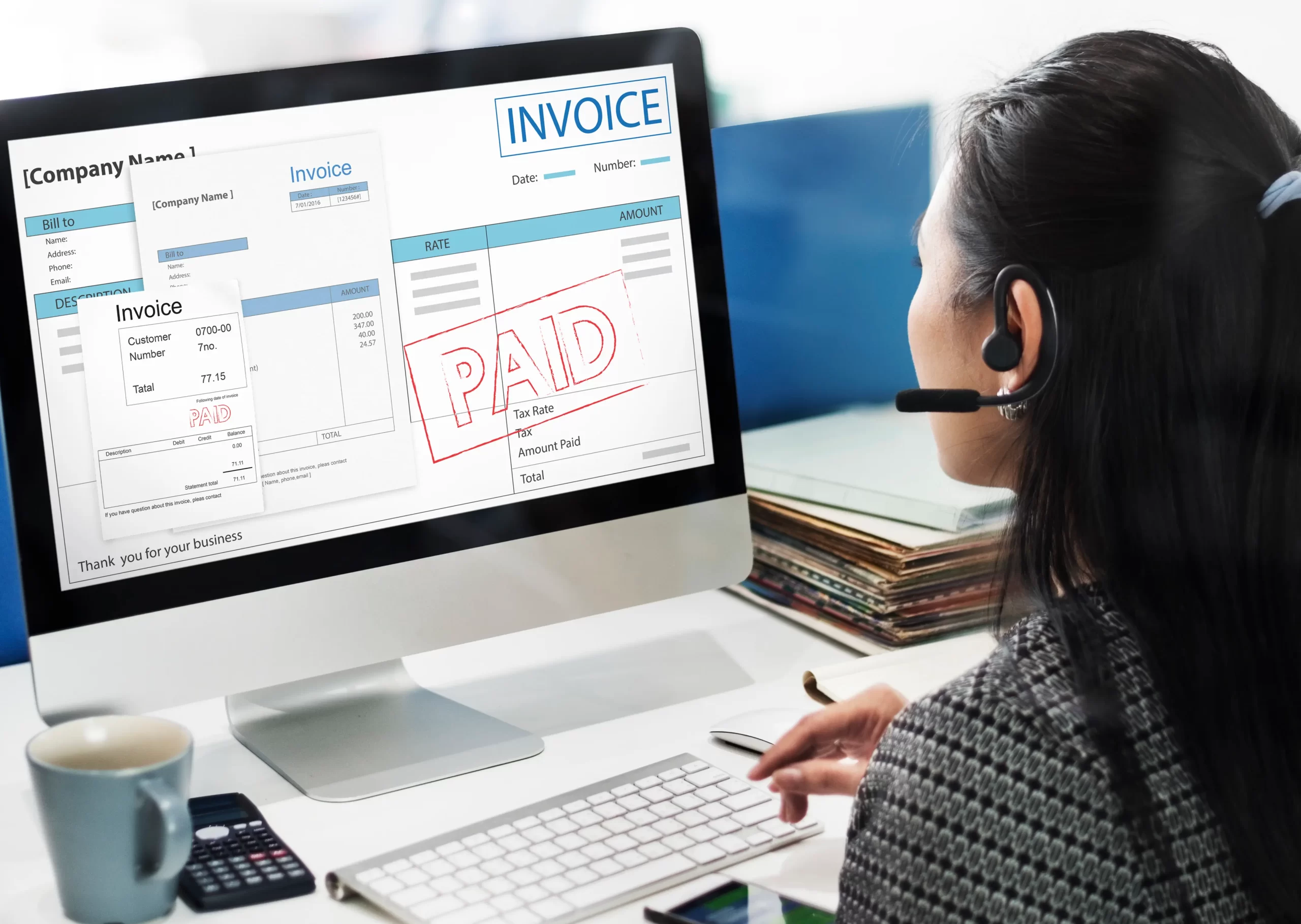


Why E-Invoicing Compliance in Abu Dhabi Is No Longer Optional

A few years ago, digital invoicing felt optional. Useful, yes. Mandatory? Not really. That has changed.

With the UAE preparing for its 2026 Peppol-based e-invoicing rollout, businesses in Abu Dhabi and Dubai are moving into a new phase of financial reporting. Paper invoices, editable PDFs, scattered spreadsheets – they are slowly becoming liabilities. What worked before may not hold up under structured digital validation.

If you are running a company today, especially one registered for VAT, this is not something to postpone. UAE-approved e-invoicing software in Abu Dhabi and Dubai is becoming part of normal operations. Not just for compliance, but for operational stability.

From what I’ve seen, the businesses that prepare early usually face fewer disruptions. The ones that wait tend to scramble.

What “UAE Approved” Really Means And Why It Protects Your Business

The phrase government-approved invoicing software UAE gets used quite loosely. But it is not just a marketing term.

In practical terms, it refers to software aligned with UAE regulatory standards. That includes structured invoice formatting, digital traceability, secure storage, and reporting formats that match authority expectations. FTA-compliant e-invoice software UAE is designed to generate invoices that follow specific rules automatically.

That matters more than most people realize.

During VAT reviews or audits, authorities look at how invoices are structured, stored, and transmitted. Not just totals. Not just dates. Everything needs to be consistent and digitally traceable.

When your system handles that in the background, you remove a layer of risk. You are not depending on manual checks or hoping that formatting is correct. The software does it the same way every time.

And consistency, especially in tax documentation, makes a big difference.

Who Needs E-Invoice Software in Abu Dhabi? SMEs, Enterprises & Growing Startups Explained

There is still a belief that structured e-invoicing is mainly for large enterprises. That is not accurate anymore.

  • Small and medium businesses need structured VAT invoicing to avoid penalties.

  • Growing startups benefit from building compliant systems early rather than replacing everything later.

  • Enterprises require multi-entity visibility and standardized reporting across branches.

Even B2C companies that issue high volumes of retail invoices benefit from automated VAT invoice software in Abu Dhabi solutions. Once invoice volume increases, manual processes become risky.

In a way, e-invoicing has shifted from being a “corporate upgrade” to being a basic business infrastructure tool.

Key Features to Look for in Approved E-Invoicing Software

Not all platforms are equal. Some look impressive on the surface but lack critical compliance depth. Here are features that genuinely matter:

Real-time VAT calculation

Accurate VAT handling is essential. Strong systems apply correct tax rates automatically and prevent calculation errors before the invoice is finalized.

FTA-ready reporting

Your software should generate reports in structured formats that align with UAE authority requirements. This saves serious time during VAT filing.

Secure cloud storage

A reliable cloud-based e-invoice system UAE stores invoices securely with proper timestamps and backup protocols. Data loss should never be a concern.

ERP & accounting integration

E-invoice software integrated with accounting systems UAE prevents duplicate data entry. Your billing, accounting, and reporting stay synchronized.

Multi-branch support

If your company operates in more than one location, centralized reporting with branch-level breakdown becomes essential.

These features are not luxuries. They are safeguards.

How the Right Software Reduces VAT Errors, Penalties & Audit Risk

VAT penalties in the UAE can escalate quickly. Many fines happen because of formatting inconsistencies, missing tax details, or incorrect invoice sequencing.

The best e-invoicing software for UAE businesses reduces that exposure through automation:

  1. Automatic invoice numbering

  2. Built-in VAT validation

  3. Digital audit trails

  4. Secure, tamper-resistant storage

  5. Structured invoice generation

When compliance rules are embedded into the system itself, human error decreases significantly.

Finance teams often say that the real benefit is confidence. When an audit request arrives, they already know their records are structured and accessible.

That peace of mind is difficult to measure, but very real.

Automation Benefits: Save Time, Improve Cash Flow & Gain Financial Clarity

Beyond compliance, automation changes daily workflow.

Automated VAT invoice software that Abu Dhabi businesses use today allows:

  • Instant invoice generation

  • Automatic payment reminders

  • Real-time outstanding balance tracking

  • Faster reconciliation

  • Accurate financial dashboards

Faster invoicing often leads to quicker payments. That improves cash flow stability.

You also gain clearer visibility into receivables and revenue patterns. When your invoicing platform connects directly with accounting systems, reporting becomes much smoother. No more manual consolidation at month end.

In many cases, teams discover they were spending far more time on billing than necessary.

Cloud vs Traditional Billing Systems: What Abu Dhabi Businesses Prefer in 2026

Traditional billing software still exists, but it is losing relevance.

Desktop-based systems rely on local installations and manual backups. Updates may require intervention. Access is often restricted to office networks.

In contrast, a cloud-based e-invoice system UAE provides:

  • Remote accessibility

  • Automatic updates

  • Regulatory adjustments without manual patching

  • Secure encrypted storage

  • Real-time data visibility

For businesses operating across Abu Dhabi and Dubai, cloud systems offer flexibility that matches modern operations.

Security concerns sometimes come up. That is fair. But established providers implement encryption and structured access controls that often exceed local server protection.

The preference trend is clearly shifting toward cloud solutions.

How to Choose the Best E-Invoicing Software in Abu Dhabi Without Overpaying

Price alone should not guide the decision.

Some companies invest heavily in complex systems they barely use. Others choose budget options that lack compliance strength.

A balanced approach works better:

  1. Confirm alignment with UAE regulatory standards.

  2. Verify Peppol readiness for 2026.

  3. Review accounting and ERP integration capabilities.

  4. Understand long-term support availability.

  5. Evaluate scalability for business growth.

The best e-invoicing software for UAE businesses fits your operational size and industry requirements. It should feel practical, not overwhelming.

If possible, request a structured demo focused on your workflow rather than generic feature presentations.

Common Mistakes Businesses Make When Switching to E-Invoicing

Transitioning to e-invoicing is manageable, but certain mistakes create friction:

  • Choosing software without confirming compliance alignment

  • Migrating incomplete historical invoice data

  • Skipping staff training

  • Delaying accounting integration

  • Waiting until enforcement deadlines approach

Gradual implementation with clear planning tends to produce smoother results.

Rushed adoption often causes internal confusion, which can easily be avoided.

Implementation Made Simple: What to Expect During Setup

Most implementations follow a structured process:

  • Company and VAT configuration

  • Invoice template setup

  • Accounting system integration

  • User role assignments

  • Trial invoice testing

  • Go-live activation

For many businesses, the transition period is shorter than expected. Within days or weeks, teams are issuing compliant invoices confidently.

Initial hesitation is common. But once automation replaces manual billing tasks, the system usually feels more efficient than previous methods.

Start Your E-Invoicing Setup Today

Frequently Asked Questions About UAE-Approved E-Invoicing Software

Is e-invoicing mandatory in 2026?

The UAE is preparing for a structured electronic invoicing framework under a Peppol-based model beginning in 2026.

Does this apply to small businesses?

If your company issues VAT invoices, compliance will apply regardless of size.

Can it connect to existing accounting software?

Most modern e-invoice software integrated with accounting systems in the UAE supports major ERP platforms.

Is cloud storage reliable?

Reputable providers implement encrypted storage and secure backup protocols.

How long does setup take?

Typically, a few days to a few weeks, depending on operational complexity.

Ready to Upgrade? Ensure Your Business Is 2026 Compliant Today

The UAE has started approving and listing Accredited Service Providers for its upcoming Peppol-based e-invoicing framework in 2026. That signals a clear direction for businesses across Abu Dhabi and Dubai.

If you are searching for the right implementation partner, Mangala International Technology – MIT Group UAE can guide you through structured compliance, system integration, and practical onboarding.

Preparing now gives you flexibility and control. Waiting increases pressure.

If you are unsure about your current invoicing setup, the simplest next step is a conversation. Sometimes clarity begins there.

Book a Compliance Discussion With MIT Group UAE Today

Related Posts